In an era dominated by digital communication, the simple act of taking a screenshot has evolved from a niche technical skill into a fundamental form of modern literacy. Whether you're reporting a software bug, creating a tutorial, saving an online receipt, or collaborating with a remote team, knowing how to effectively capture your screen is indispensable. The humble screenshot is a universal language, bridging gaps in explanation and providing undeniable visual proof.
This topic matters because the ability to quickly and precisely capture what's on your monitor directly impacts productivity, clarity, and professionalism. With the landscape of operating systems and third-party tools constantly advancing, staying updated on the most efficient methods is crucial. This comprehensive guide will walk you through the built-in tools for Windows, macOS, and ChromeOS, explore powerful third-party applications, and delve into advanced techniques for editing, annotating, and organizing your captures. You'll learn not just how to take a screenshot, but how to master it as a skill for work, education, and daily life.
The Native Toolkit: Built-In Screen Capture Methods
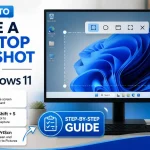
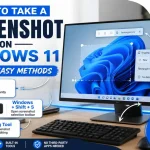
Every major desktop operating system comes with robust, built-in screen capture functionality, eliminating the need for any additional software for basic tasks. These native tools are often the fastest and most reliable way to grab a quick screenshot. On Windows 11 and its 2026 iterations, the primary shortcut remains the Print Screen (PrtScn) key, but the more powerful tool is Snipping Tool or its successor, Snip & Sketch, accessible via Windows Key + Shift + S. This shortcut opens a menu allowing you to select a rectangular snip, a freeform snip, a window snip, or a full-screen capture, which is then copied to your clipboard and saved to your Screenshots folder.
macOS offers an equally elegant suite of keyboard shortcuts that have become second nature to its users. Pressing Command + Shift + 3 instantly captures the entire screen and saves it as a file on your desktop. For more precision, Command + Shift + 4 turns your cursor into a crosshair for selecting a specific region; adding the Spacebar after this shortcut lets you capture a specific window or menu. A key advancement in recent years is the ability to record your screen natively using Command + Shift + 5, which opens a control panel for both video and still captures.
For users on ChromeOS or Linux distributions like Ubuntu, native options are also readily available. ChromeOS uses the Ctrl + Show Windows key (or Ctrl + F5) for a full-screen shot and Ctrl + Shift + Show Windows for a partial selection. The captured image is saved directly to your Downloads folder. The primary advantage of using these built-in methods is their instant availability and seamless integration with the system, requiring no setup or installation. They are perfect for spontaneous, straightforward capture needs.
Beyond the Basics: Third-Party Power Tools
While native tools are excellent for quick grabs, third-party applications unlock a new dimension of functionality, catering to power users, content creators, and professionals. These tools offer features like scrolling captures, advanced annotation, instant sharing, and organized libraries. Leading the pack in 2026 are applications like Snagit, Greenshot, ShareX (for Windows), and CleanShot X (for macOS). They transform screen capture from a simple copy-paste action into a streamlined workflow.
For example, ShareX is a free, open-source powerhouse for Windows that goes far beyond simple screenshots. It can capture scrolling webpages—a feature most native tools lack—record GIFs and videos, automatically upload captures to over 80 destinations (like Imgur, Dropbox, or your own FTP server), and apply workflows like automatic watermarking or OCR (Optical Character Recognition) to extract text from images. Similarly, Snagit provides a polished, user-friendly interface with a robust editor and a library to store all your past captures, making it easy to find and reuse images.
When choosing a third-party tool, consider your specific needs. If you frequently create documentation or tutorials, look for tools with robust annotation features like step-numbered bubbles, blur effects for sensitive information, and pre-made templates. If your work involves quick team communication, prioritize tools with one-click uploads and shareable links. Investing time in learning one of these applications can save hours in the long run by consolidating capture, editing, and sharing into a single, fluid process.
From Capture to Communication: Editing and Annotating
A raw screenshot is often just the starting point. The real value is added in the editing and annotation phase, where you direct the viewer’s attention and provide context. Basic editing involves cropping to the relevant area, which immediately removes distractions and focuses the message. Adjusting brightness or contrast can make text more legible, while resizing ensures the image is appropriate for its destination, be it a social media post, a report, or a presentation slide.
Annotation is where your screenshot becomes a communication tool. Use arrows, circles, or highlights to point out specific buttons, errors, or areas of interest. Text boxes are essential for adding explanations, steps, or comments. For privacy or security, utilize pixelation or blur tools to obscure personal information, email addresses, or confidential data before sharing. Many advanced tools, including those built into Windows Snipping Tool and macOS Preview, offer these features directly after capture.
Develop a consistent annotation style for professional use. For instance, use a red arrow for pointing out problems, a green checkmark for correct elements, and a yellow highlighter for important text. This visual consistency helps your audience quickly understand your materials. Remember, the goal of annotation is not to decorate but to clarify. A well-annotated screenshot can replace paragraphs of written explanation, making it an incredibly efficient way to convey complex information.
Organizing Your Digital Evidence: File Management & Naming
Advanced Techniques: Scrolling Captures, OCR, and Screen Recording
Modern screen capture needs often extend beyond a static view of the monitor. A scrolling capture, or "scrolling screenshot," is essential for capturing entire webpages, long documents, or chat conversations that don't fit in a single window view. While this feature is rarely built into native OS tools, applications like Snagit, ShareX, and browser extensions like "GoFullPage" excel at it. They seamlessly stitch together multiple screen grabs as you scroll, creating a single, tall image of the entire content.
Optical Character Recognition (OCR) is a game-changing technology integrated into many capture tools. After taking a screenshot of text—from a PDF, a website with non-selectable text, or an error message—OCR can convert the text in the image into editable, searchable, and copyable characters. This eliminates the need for manual retyping and is invaluable for research, data extraction, and accessibility. Windows Snipping Tool and PowerToys include OCR functionality, as do most premium third-party apps.
Finally, do not overlook screen recording. Sometimes, a static image cannot capture a process, a bug, or a tutorial effectively. The line between screen capture and screen recording has blurred. Use native tools like Xbox Game Bar (Windows + G) on Windows or Command + Shift + 5 on macOS, or third-party tools like OBS Studio for high-quality recordings. Remember to narrate your actions or add subtitles later to create clear, instructive video content. This is the ultimate step in comprehensive digital communication.
Key Takeaways
- ✓ Every major OS has powerful native capture tools (Win+Shift+S, Cmd+Shift+4, etc.) perfect for quick, basic screenshots without extra software.
- ✓ Third-party applications like Snagit, ShareX, and CleanShot X unlock advanced workflows, including scrolling captures, instant sharing, and organized libraries.
- ✓ Editing and annotating your screenshots with arrows, text, and blur tools transforms them from simple images into clear, professional communication aids.
- ✓ Implementing a file management system with descriptive naming conventions and dedicated folders is crucial for keeping your screen captures organized and retrievable.
- ✓ Master advanced techniques like scrolling captures for long content, OCR for extracting text from images, and screen recording to demonstrate processes.
Frequently Asked Questions
What is the fastest way to take a screenshot on Windows?
The fastest method is the Windows Key + Shift + S shortcut. This instantly brings up the snipping bar, allowing you to select a rectangular area, a freeform shape, a specific window, or the full screen. The image is copied to your clipboard, and a notification appears letting you instantly annotate and save it. For a full-screen capture to a file, Windows Key + PrtScn saves an image directly to your Pictures > Screenshots folder.
How do I take a screenshot on a Mac if I don't have a Command key?
If you're using a non-Apple keyboard, the Command key is typically mapped to the Windows key. So, you would press the Windows key + Shift + 3 for a full-screen capture. You can also use the macOS menu bar: click the Launchpad, open the "Other" folder, and launch the "Screenshot" app, which provides an on-screen control panel with clickable buttons for all capture and recording functions.
How can I capture a dropdown menu or a tooltip that disappears?
This requires precise timing with keyboard shortcuts. On Windows, open the Snipping Tool app directly (not the shortcut) and set a delay of 3 or 5 seconds. Then, trigger the menu before the timer ends. On macOS, use Command + Shift + 4, then press the Spacebar. Your cursor will turn into a camera icon. Hover over the menu (which will stay open while you hold the mouse button) and click to capture just that menu window cleanly.
What's the best way to share screenshots quickly with colleagues?
The most efficient method is to use a tool that combines capture with automatic cloud upload. Applications like ShareX or Droplr can be configured so that after you take a screenshot, it is instantly uploaded to a cloud service, and a shortened URL is copied to your clipboard. You can then simply paste that link into a chat message or email. The recipient views the image online without downloading a file, streamlining the sharing process dramatically.
My screenshot folder is a mess. How can I start organizing them?
Start by changing the default save location in your capture tool's settings to a new folder like "Screenshots" within your Documents. Then, spend 15 minutes creating subfolders for broad categories (Work, Personal, Taxes). Moving forward, get into the habit of immediately renaming each file. Use a consistent format like "Date_Subject." For old screenshots, don't try to sort them all at once. Instead, when you need to find an old one, sort by date and move it to the correct folder as you find it—this is a gradual, sustainable cleanup method.
Conclusion
Mastering desktop screen capture is no longer just about knowing a keyboard shortcut; it's about building an efficient visual communication workflow. We've explored the foundational built-in tools provided by your operating system, the enhanced capabilities of dedicated third-party software, and the critical steps of editing, annotating, and organizing your digital assets. By understanding advanced techniques like scrolling captures and OCR, you can handle virtually any capture scenario that arises in your digital work and life.
Now, it's time to put this knowledge into practice. Choose one new technique from this guide—whether it's setting up a delayed snip, downloading a tool like ShareX, or simply implementing a consistent file naming system—and integrate it into your routine this week. The cumulative effect of these small improvements will lead to significant gains in clarity, productivity, and professional presentation. Your screen is your canvas; start capturing it with intention.

Nathaniel Foster is an electronics expert focusing on consumer gadgets, smart devices, and innovative technology. He delivers practical reviews, buying guides, and troubleshooting tips to help readers make informed decisions and get the most out of their electronic products.