You’ve just encountered the perfect error message, a hilarious chat, or a stunning visual you need to save and share, but your phone is out of reach. In the digital age, the ability to instantly capture what’s on your computer screen—a screenshot—is a fundamental skill, as essential as copy and paste. Yet, many users rely on a single, clunky method, unaware of the powerful and efficient tools built right into their operating systems and available at their fingertips.
This guide is your definitive resource for mastering the art of the screenshot on a desktop computer. Whether you’re creating a tutorial, reporting a bug, saving a receipt, or preserving a memory, knowing the right technique saves time and frustration. You will learn the native keyboard shortcuts for Windows and macOS, discover advanced snipping and annotation tools, explore powerful third-party software, and understand best practices for editing and organizing your captures. By the end, you’ll be equipped to handle any screenshot scenario with confidence and precision.
The Foundation: Native Keyboard Shortcuts
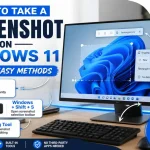
Every modern operating system comes with built-in screenshot capabilities, activated primarily through keyboard shortcuts. These are the fastest, most reliable methods for quick captures and require no additional software. On Windows, the primary key is Print Screen (often labeled PrtScn, PrtSc, or similar). Pressing this key copies an image of your entire screen to your clipboard, which you can then paste (Ctrl+V) into an application like Microsoft Word, Paint, or an email. For a more direct approach, Windows Key + Print Screen automatically saves a full-screen capture as a PNG file in your Pictures > Screenshots folder, providing both a copy on your clipboard and a saved file.
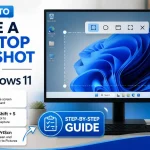
For more targeted captures, Windows offers the Snipping Tool and its modern successor, Snip & Sketch (or Snipping Tool in newer versions). The shortcut Windows Key + Shift + S instantly activates a crosshair cursor, allowing you to drag and select a rectangular area, draw a freeform shape, capture a specific window, or take a full-screen shot. The captured image is copied to your clipboard and a notification preview appears, letting you annotate, save, or share it immediately. This method is ideal for capturing dropdown menus, specific sections of a webpage, or error messages without including your entire desktop clutter.
On macOS, the shortcut ecosystem is equally robust. Command + Shift + 3 captures the entire screen and saves it as a file on your desktop. Command + Shift + 4 turns your cursor into a crosshair for selecting a precise rectangular region; if you press the Spacebar after this shortcut, the cursor changes to a camera icon, allowing you to click on any specific window or menu to capture it perfectly, complete with a subtle shadow effect. For ultimate flexibility, Command + Shift + 5 opens a control panel with options for capturing the entire screen, a selected window, or a selected portion, and even includes buttons for recording your screen, all with handy options for where to save the capture.
Beyond the Basics: Advanced Capture Tools & Modes
Once you’ve mastered the basic shortcuts, you can leverage advanced modes for complex tasks. Both Windows and macOS include tools for delayed screenshots, which are invaluable for capturing context menus or tooltips that disappear when you click elsewhere. In the Snipping Tool (or Snip & Sketch), look for a “Delay” option, typically allowing for 3, 5, or 10-second waits. You set the delay, activate the menu you want, and the tool will capture after the timer ends. On macOS, after pressing Command + Shift + 5, click “Options” in the control panel to set a timer of 5 or 10 seconds, giving you time to set up the perfect shot.
Another powerful native feature is scrolling capture or window capture. While basic shortcuts capture only what’s visible, some dedicated tools can capture an entire webpage or document that extends beyond the screen. On Windows, the newer Snipping Tool (available from the Microsoft Store) includes a “Window” snip mode and, for supported apps like browsers, a “Rectangular Snip” that may automatically offer a scrolling option. For more consistent scrolling captures, third-party applications like ShareX (Windows) or browser extensions are often more reliable. On macOS, while native tools don’t offer scrolling capture, many third-party apps like CleanShot X fill this gap seamlessly.
Don’t overlook the power of screen recording, which is now a standard part of the screenshot toolkit. Sometimes, a static image cannot adequately demonstrate a process or a bug. Windows users can press Windows Key + G to open the Game Bar, which includes a screen recording function originally designed for gaming but useful for any software. macOS users have the most integrated solution: Command + Shift + 5 provides clear buttons for recording the entire screen or a selected portion. These video captures are perfect for creating simple tutorials, documenting software issues for tech support, or saving fleeting digital moments.
Power User Software: Third-Party Applications
For users who take screenshots frequently for work, content creation, or detailed documentation, third-party applications offer unparalleled power and workflow integration. These tools go far beyond simple capture, providing instant annotation, automated uploading, organizational features, and extensive customization. A prime example for Windows is ShareX, a free and open-source tool that is incredibly feature-rich. It can capture in numerous ways (including scrolling webpages), automatically add watermarks or effects, upload to dozens of destinations (like Imgur, Google Drive), and even perform OCR (Optical Character Recognition) to extract text from your images.
On macOS, applications like CleanShot X and Snagit set the standard. CleanShot X offers a beautiful, minimalist interface with cloud storage, scrolling capture, screen recording with system audio, and annotation tools that feel native to the macOS experience. It removes desktop icons from your screenshots by default for a cleaner look—a small but thoughtful feature. Snagit, available for both Windows and macOS, is a premium option favored by professionals for its robust editor, which allows you to create step-by-step tutorials with numbered callouts, create animated GIFs from videos, and apply consistent branding across all your visual assets.
When choosing a third-party tool, consider your specific needs. If you need to capture and share quickly with a team, look for tools with integrated cloud storage and sharing links, like Droplr or CloudApp. If your work involves sensitive information, prioritize tools with strong privacy controls and on-premises storage options. The key advantage of all these applications is automation; they can be configured to save files in a specific folder with a custom naming convention, upload to a cloud service, and copy a shareable link to your clipboard—all with a single keystroke, transforming a multi-step process into a one-second action.
From Capture to Completion: Editing and Annotating
A raw screenshot is often just the starting point. Effective editing and annotation turn a simple capture into a clear, communicative piece of content. Immediate annotation is crucial for highlighting important areas, obscuring sensitive data, or adding explanatory text. Both Windows and macOS provide basic annotation tools immediately after a capture. In Windows, after using Windows Key + Shift + S, click the notification that appears to open the Snip & Sketch editor, where you can use a pen, highlighter, ruler, and text tool. On macOS, after taking a screenshot, a thumbnail preview appears in the corner of your screen; click on it to open the Markup toolbar, offering similar tools plus signature and shape options.
For more advanced editing, dedicated image editors are necessary. You can paste a clipboard screenshot directly into applications like Microsoft Paint, Paint 3D, or Photos on Windows for cropping, resizing, and drawing. On macOS, the Preview app is a surprisingly powerful tool for basic image editing; you can open a screenshot in Preview to crop, adjust color, add shapes and text boxes, and even fill areas with color to redact information. For professional-grade edits, such as blurring out personal details, combining multiple screenshots, or adding complex arrows and callouts, software like Adobe Photoshop, GIMP (free), or Affinity Photo provides the necessary precision.
Developing a consistent editing workflow enhances productivity. Establish a standard set of annotations: use a red rectangle to highlight a button, a yellow highlighter for key text, and a blur or solid block to censor private emails or names. Always crop out irrelevant browser chrome or desktop clutter to keep the focus on the subject. Save your edited screenshots in an appropriate format PNG for screenshots with text and sharp lines (as it’s lossless), and JPEG for full-color images where file size is a concern. Finally, give your files descriptive names immediately, such as “Error_Message_App_Login_2026-03-15.png,” to make them easily searchable later.
Organizing, Sharing, and Best Practices
An unorganized collection of screenshots quickly becomes a digital junk drawer. Implementing a simple organizational system from the start saves hours of future searching. First, decide on a primary storage location. While the default desktop or Pictures folder is convenient, it’s better to create a dedicated “Screenshots” folder within your Documents or a cloud-synced folder like OneDrive or Dropbox. Within this main folder, create subfolders by project, client, or year. Use clear, consistent naming conventions that include the date and a brief description, which allows you to sort and find files effortlessly using your operating system’s search function.
Sharing your screenshots effectively depends on context. For quick, informal sharing in chat applications like Slack or Discord, pasting directly from the clipboard (Ctrl+V or Cmd+V) often works. For more formal communication, such as email or reports, it’s better to attach the image file directly. When sharing with a broad audience or online, consider using an image hosting service. Many third-party screenshot tools automatically upload to the cloud and provide a short URL. If not, you can manually upload to services like Imgur, Google Photos, or your own website. Remember to adjust privacy settings on these platforms if your screenshot contains any sensitive or personal information.
Adopting best practices ensures your screenshots are both useful and respectful. Before capturing, tidy up your desktop and close unnecessary windows or browser tabs to avoid sharing distracting or private information. Be mindful of privacy: always blur or redact personal details, account numbers, and other sensitive data visible in the capture. Consider the file size, especially when emailing; compress large screenshots if needed. For accessibility, when sharing screenshots in professional or public contexts, add alternative text (alt text) describing the image’s content for those using screen readers. This final layer of consideration makes your screenshots professional, secure, and accessible to all.
Key Takeaways
- ✓ Every desktop OS has powerful native screenshot shortcuts: Use Print Screen (PrtScn) and Windows Key + Shift + S on Windows, and Command + Shift + 3, 4, or 5 on macOS for fast, no-tool captures.
- ✓ Advanced native features like delayed capture and screen recording are built-in for capturing menus and demonstrating processes, eliminating the need for extra software for basic tasks.
- ✓ Third-party applications like ShareX (Windows) and CleanShot X (macOS) offer superior automation, scrolling capture, cloud uploads, and annotation, revolutionizing the workflow for frequent users.
- ✓ Immediate and consistent annotation is key to effective communication; use the built-in markup tools or an image editor to highlight, obscure, and explain elements in your screenshot.
- ✓ Organize and share thoughtfully: implement a folder/naming system, choose the right sharing method for your audience, and always prioritize privacy and accessibility by redacting sensitive info and adding alt text.
Frequently Asked Questions
What is the quickest way to take a screenshot of just one window?
On Windows, press Alt + Print Screen. This copies only the currently active window to your clipboard. On macOS, press Command + Shift + 4, then press the Spacebar. Your cursor will turn into a camera icon; click on the window you wish to capture. It will be saved as a file on your desktop.
How do I take a screenshot without a Print Screen key on my keyboard?
Many compact keyboards omit the Print Screen key. On Windows, use the reliable Windows Key + Shift + S shortcut to activate the snipping bar. You can also use the Snipping Tool app directly from the Start menu. On any computer, you can use the "Snipping Tool" or "Snip & Sketch" application searchable in your Start Menu or Applications folder.
Where do my screenshots go after I take them?
It depends on the method. Using Print Screen alone copies to your clipboard (you must paste it). Windows Key + Print Screen saves a file in Pictures > Screenshots. On macOS, Command + Shift + 3 or 4 saves a file directly to your desktop by default. Using tools like Snipping Tool or Snip & Sketch will prompt you to choose a save location after editing.
How can I capture a scrolling webpage or long document?
Native tools have limited support. The best method is to use a third-party application. On Windows, the free ShareX has an excellent "Scrolling Capture" feature. On macOS, applications like CleanShot X offer this functionality. Alternatively, browser extensions like "GoFullPage" for Chrome or Firefox can capture entire webpages and save them as an image.
My screenshot looks blurry or has poor text quality. How can I fix this?
Ensure you are saving in a lossless format like PNG, not JPEG, which uses compression that can blur text and lines. Also, if you are resizing the image, make sure you are not enlarging it beyond its original resolution. When pasting into documents, use the "Insert as Picture" function rather than stretching a pasted image manually, which can distort it.
Conclusion
Mastering the humble screenshot transforms it from a simple copy-paste action into a sophisticated tool for communication, documentation, and creativity. We’ve explored the essential keyboard shortcuts for speed, delved into advanced native tools for precision, examined powerful third-party software for automation, and covered the critical steps of editing, organizing, and sharing your captures responsibly. This knowledge empowers you to handle any situation, from quickly saving a receipt to producing professional-grade tutorials, with efficiency and clarity.
Now, it’s time to put this into practice. Choose one new method from this guide—whether it’s the Windows Key + Shift + S shortcut, the macOS Command + Shift + 5 control panel, or downloading a tool like ShareX—and integrate it into your daily computer use. Experiment with annotation and establish a simple naming convention for your files. By refining your screenshot workflow, you’ll save time, reduce frustration, and communicate your ideas more effectively in our increasingly visual digital world.

Nathaniel Foster is an electronics expert focusing on consumer gadgets, smart devices, and innovative technology. He delivers practical reviews, buying guides, and troubleshooting tips to help readers make informed decisions and get the most out of their electronic products.