In an age where digital communication dominates, the ability to capture exactly what is on your screen has become an essential skill. Whether you are troubleshooting a technical issue for a colleague, saving a memorable moment from a video call, or creating documentation for a project, knowing how to take a screenshot on a desktop is a fundamental tool in your productivity arsenal. Yet, despite its importance, many users still rely on a single method or are unaware of the powerful, time-saving shortcuts available to them.
This comprehensive guide is designed to transform you from a casual screenshot user into a desktop capture expert. We will explore every major method available for both Windows and macOS systems in 2026, from basic keyboard shortcuts to advanced third-party tools. You will learn not just how to capture your screen, but how to capture it efficiently, edit it on the fly, and choose the right tool for every specific scenario. By the end of this article, you will have a complete toolkit that will save you time and improve your digital workflow
The Classic Keyboard Shortcuts: Your First Line of Defense
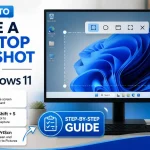
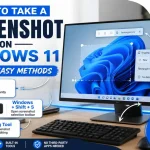
The fastest way to take a screenshot on any desktop is through built-in keyboard shortcuts. These commands have been refined over decades and remain the reliable method for quick captures. On Windows 11 and the latest Windows updates in 2026, the Print Screen (PrtScn) key still works, but its behavior has evolved. Pressing PrtScn alone now opens the Snipping Tool by default in most configurations, rather than copying the entire screen to your clipboard. This is a significant improvement, as it gives you immediate access to editing and annotation tools without needing to paste the image into another program first.
For users who prefer the classic behavior, pressing Alt + PrtScn captures the active window, which is perfect grabbing a single dialog box or application without the clutter of your desktop background. Meanwhile, the Windows key + PrtScn combination saves a full-screen screenshot directly to your Pictures > Screenshots folder as a PNG file. This is ideal when you need to capture something quickly and don't need to edit it immediately. On macOS, the landscape is equally straightforward. Command + Shift + 3 captures the entire screen and saves it to your desktop, while Command + Shift + 4 turns your cursor into a crosshair, allowing you to select a specific area.
A practical example of using these shortcuts effectively is during a technical support call. If a colleague asks you to show them an error message, you can press Alt + PrtScn on Windows to capture just the error window, paste it into an email with Ctrl + V, and send it in under ten seconds. On a Mac, you would use + Shift + 4, drag a box around the error, and the file appears on your desktop ready to attach. Mastering these three or four core shortcuts will cover 80% of your daily screenshot needs without ever installing additional software.
The Snipping Tool and Snip & Sketch: Windows’ Built-in Powerhouses
While keyboard shortcuts are fast, they lack flexibility. This is where Microsoft’s integrated screenshot applications come into play. In 2026, the Snipping Tool has absorbed the functionality of the now-deprecated Snip & Sketch, creating a single, unified application. You can launch it by searching for Snipping Tool in the Start menu, or by pressing Windows key Shift + S. This shortcut immediately dims your screen and presents a small toolbar at the top, offering four capture modes: Rectangular Snip, Freeform Snip, Window Snip, and Fullscreen Snip.
The real power of the Snipping Tool lies in its post-capture capabilities. Once you take a snip, the image opens in a lightweight editor where you can annotate with a pen, highlighter, or ruler. You can crop the image, adjust its colors, and even use a touchscreen or stylus for precise markings. The tool also includes a delay function, allowing you to set a 3 or 10-second timer before the capture is taken. This is invaluable for capturing context menus or tooltips that disappear when you press a keyboard shortcut. For example, if you need to show the right-click menu of a file, you can set a 3-second delay, right-click the file, and the Snipping Tool will capture the menu exactly as it appears.
For business professionals and educators, the Snipping Tool’s integration with Microsoft 365 is a game-changer. You can now snip a portion of a spreadsheet, annotate it with arrows and text boxes, and copy it directly into a Word document or PowerPoint presentation without saving the file first. The tool also supports OCR (Optical Character Recognition) in its latest version, meaning you can capture text from an image and copy it as editable text. This feature alone can save hours of manual retyping when working with scanned documents or screenshots of web pages.
macOS Screenshot Toolbar and Preview: Apple’s Elegant Solution
Apple has long been praised for the intuitive design of its operating system, and its screenshot tools are no exception. In macOS Sequoia and later versions in 2026, the screenshot toolbar is the central hub for all capture needs. You can summon it by pressing Command + Shift + 5. This floating toolbar appears at the bottom of your screen, giving you options to capture the entire screen, a selected window, or a selected portion. It also includes buttons for recording your screen as a video, a feature that Windows users often need third-party software to replicate.
What sets macOS apart is the seamless integration with the Markup tool. After taking a screenshot, a thumbnail appears in the bottom-right corner of your screen for a few seconds. Clicking this thumbnail opens the image in a full Markup editor, where you can add shapes, text, signatures, and even magnified areas. You can also choose to save the screenshot to your desktop, clipboard, or directly into applications like Notes or Mail. For power users, holding down the Control key while taking a screenshot copies it to your clipboard instead of saving it to a file, which is perfect for pasting into an ongoing conversation.
A particularly useful feature for Mac users is the ability to capture a specific menu or dropdown. When you press Command + Shift + , your cursor turns into a crosshair. If you then press the Spacebar, the crosshair turns into a camera icon. Hovering this icon over any window, menu, or even the menu bar itself will highlight it in blue, and a single click captures only that element with a beautiful drop shadow. This is ideal for designers and developers who need to capture UI elements for portfolios or bug reports. The resulting image is automatically a PNG with a transparent background around the captured element, saving you the trouble of manual editing.
Third-Party Tools: When Built-In Options Aren’t Enough
While built-in tools are sufficient for most users, professionals in fields like software development, graphic design, and technical writing often require more advanced features. This is where third-party screenshot tools shine. In 2026, the market remains Snagit by TechSmith, a premium application that offers everything from scrolling screen captures (perfect for long web pages or chat logs) to video recording with webcam overlay. Snagit’s library feature allows you to organize thousands of screenshots with tags and searchable text, making it an indispensable tool for creating knowledge bases or user manuals.
For users seeking a free and open-source alternative, ShareX is the gold standard on Windows. This tool is incredibly powerful, offering over 20 different capture methods, including region, window, fullscreen, and even active monitor. ShareX can automatically upload your screenshots to over 80 different destinations, including Imgur, Dropbox, Google Drive, and custom FTP servers. It also includes a built-in image editor, color picker, screen recorder, and even a QR code generator. The learning curve is steeper than Snagit, but for power users who want maximum control without spending money, ShareX is unbeatable.
Cross-platform users consider Clean X for macOS or Flameshot for Linux and Windows. CleanShot X offers a sleek, modern interface with features a quick-access overlay, cloud hosting with custom domains, and the ability to hide desktop icons before a capture. Flameshot, on the other hand, is a lightweight but feature-rich tool that runs on almost any system. It includes an annotation toolbar that appears immediately after capture, allowing you to add arrows, boxes, blur effects, and even step-by-step numbering. The key takeaway is to choose a tool that matches your workflow: if you take fewer than 20 screenshots a day, built-in tools are fine; if you take, invest in a dedicated application.
Pro Tips and Troubleshooting: Getting the Perfect Shot Every Time
Even with the best tools, a screenshot is only useful if it is clear and conveys the right information. One of the most common mistakes is capturing a screen with a cluttered desktop or sensitive personal information visible. Before taking a screenshot, especially for professional or public use, take a moment to unnecessary windows, hide your desktop icons, and blur or crop out any personal data like email addresses or credit card numbers. On Windows, you can quickly hide all desktop icons by right-clicking the desktop and unchecking View > Show desktop icons. On macOS, you can use third-party tool like HiddenMe or simply move sensitive files to a folder.
Another critical tip is to understand file formats. For most purposes, PNG is the best format because it is lossless and supports transparency. JPEG should be avoided for screenshots containing text, as its compression algorithm creates blurry artifacts around letters. If you need a smaller file size for email, consider using PNG first, then converting to JPEG only if necessary. For screenshots that will be printed or used in high-resolution documents, always use PNG. Additionally, learn to use the clipboard effectively. On both Windows and macOS, you can paste a screenshot directly into an email, document, or chat application without saving it as a file first, which saves time and disk space.
Finally, troubleshoot common issues. If your PrtSc key is not working, it may be because another application (like OneDrive or Dropbox) has hijacked the shortcut. Check your system tray for these applications and disable their screenshot features in their settings. On macOS, if your screenshots are not saving to the desktop, check the options in the Command + Shift + 5 toolbar to see where they are being saved. You can also use the Terminal command defaults write com.apple.screencapture location ~/Desktop to reset the save location. Remember, the goal is not just to capture an image, but to capture the right image with the right information, in the right format, and deliver it to the right place with minimal friction.
Key Takeaways
- ✓ Master the core keyboard shortcuts: PrtScn (Windows) and Command+Shift+3/4 (macOS) for the fastest captures.
- ✓ Use the Snipping Tool (Windows) or Screenshot Toolbar (macOS) for annotated, delayed, or window-specific captures.
- ✓ Invest in third-party tools like Snagit or ShareX for advanced needs like scrolling captures, video recording, and automated uploads.
- ✓ Always clean your desktop and hide sensitive before capturing screenshots for professional use.
- ✓ Save screenshots in PNG format for maximum quality, and use the clipboard to paste directly into documents without saving files.
Frequently Asked Questions
Why are my screenshots saving as black images?
This is a common issue when trying to capture protected content, such as DRM-protected video streams (Netflix, Hulu) or certain secure applications. Modern operating systems and browsers use hardware-based content protection that blocks screenshot tools. To capture such content, you may need to use a camera to photograph the screen, or check if the application has a built-in sharing feature. For non-protected content, ensure your graphics drivers are up to date.
Can I take a screenshot of a full web page that requires scrolling?
Yes, but built-in tools cannot do this natively. On Windows, the Snipping Tool does not support scrolling captures. You will need a third-party tool like Snagit, ShareX, or a browser extension like Fireshot (for Chrome and Firefox). These tools automatically scroll the page and stitch the images together into one long screenshot. On macOS, some browsers like Safari have a built-in screenshot feature in the developer menu.
How do I take a screenshot on desktop with two monitors?
On Windows, pressing PrtScn captures both monitors as one wide image. To capture only one monitor, use Alt + PrtScn to capture the active window, or use the Snipping Tool’s Window Snip mode. On macOS, Command + Shift + 3 captures both displays as separate files, while Command + Shift + 4 allows you to select a specific area on one monitor. For precise control, use the Screenshot Toolbar (Command + Shift + 5) and select the specific window or screen region.
What is the best way to annotate a screenshot for a tutorial?
For quick annotations, the built-in Snipping Tool (Windows) or Markup (macOS) is sufficient for adding arrows, boxes, and text. For professional tutorials, use Snagit (Windows/macOS) which offers step-by-step numbering, callouts, and a library of pre-made stamps. Free alternatives include ShareX (Windows) with its annotation tools, or the online tool Pixlr. Always use a consistent color scheme (e.g., red for errors, green for correct actions) to make your tutorials easy to follow.
Conclusion
Taking a screenshot on a desktop in 2026 is no longer a simple one-button task; it is a nuanced skill that can dramatically improve your productivity and communication. We have covered the essential keyboard shortcuts that form the foundation of any capture workflow, the powerful built-in tools like the Snipping Tool and macOS Screenshot Toolbar that add flexibility and editing capabilities, and the advanced third-party applications that handle the demanding professional needs. By understanding when to use each method, you can capture exactly what you need, exactly how you need it, in seconds.
Now it is your turn to put this knowledge into practice. Start by memorizing the three core shortcuts for your operating system. Then, explore the Snipping Tool or macOS toolbar to discover features like delay timers and window capture. If you find yourself taking more than a dozen screenshots a day, download a trial of Snagit or install ShareX to see how automation and advanced editing can transform your workflow. The ability to capture, annotate, and share information visually is a superpower in the digital age. Master it, and you will wonder how you ever worked without it.

Nathaniel Foster is an electronics expert focusing on consumer gadgets, smart devices, and innovative technology. He delivers practical reviews, buying guides, and troubleshooting tips to help readers make informed decisions and get the most out of their electronic products.